

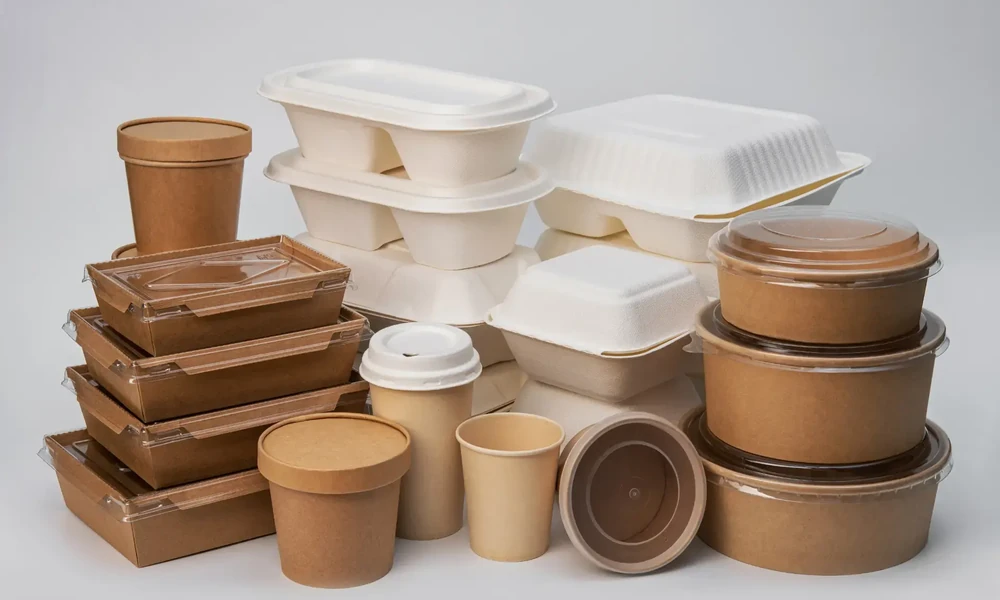
Food packaging is changing faster than most businesses notice. Rules on waste are tightening, customers expect convenience without excessive plastic, and delivery has become a major channel for restaurants and caterers. Businesses that keep up with food packaging trends can protect food quality, control costs and meet customer expectations more easily. This article looks at the trends that matter most for food businesses in Singapore and how to respond to them sensibly rather than chasing every new idea.
Delivery-Ready Packaging
The growth of food delivery has changed what packaging needs to do. Containers must keep food hot or cold, prevent leaks during transport and keep different components separate. Soggy fries or spilled sauce reflect badly on the restaurant, not the delivery rider. Businesses are choosing containers with secure lids, compartments and venting for steam. Features worth looking for include:
- Secure, leak-resistant lids
- Separate compartments for sauces and sides
- Steam vents to keep fried food crisp
- Shapes that stack steadily in delivery bags
Testing packaging with real delivery times and routes helps identify what works before committing to large orders.
Microwavable and Reheatable Containers
Many customers reheat food at home or at work, so microwave-safe packaging has become more important. Polypropylene containers are widely used because they tolerate reheating better than many other plastics. Clear labelling of whether a container is microwave-safe helps customers use it correctly. For caterers delivering mini buffets or meal boxes, reheatable trays can improve the customer experience and reduce food waste. Lids deserve the same attention as bases, since a lid made from a different plastic may not be microwave-safe even when the container is.
Reducing Material Without Losing Strength
Businesses are looking for packaging that uses less material while remaining strong enough to protect food. Thinner but well-designed containers can reduce costs and waste. However, packaging that is too thin may crack, leak or deform, especially with hot food. Finding the right balance requires testing. Suppliers can often suggest alternatives that maintain performance with less plastic. Ribbed walls, reinforced rims and better lid designs often add stiffness without adding weight.
Recyclability and Mono-Materials
Recycling works best when packaging is made from a single type of material. Containers that combine different plastics, or plastic with paper or foil, are harder to recycle. There is growing interest in mono-material packaging that can be sorted and processed more easily. When reviewing options, businesses can ask suppliers which materials are recyclable locally and how containers are labelled. Clear resin codes help customers dispose of packaging correctly.
Reusable Packaging Options
Some businesses are experimenting with reusable containers, particularly for regular customers, office catering and events. Reusable packaging can reduce waste but requires systems for collection, cleaning and hygiene. It works best in closed loops, such as corporate canteens or catering contracts. For most takeaway businesses, disposable packaging remains more practical, but reusables are worth considering where conditions suit them. Deposit schemes, where customers pay a small refundable amount per container, are one way some operators encourage returns.
Regulatory Attention on Packaging
Singapore has increased its focus on packaging waste. The Resource Sustainability Act introduced mandatory packaging reporting for larger producers and businesses, requiring them to report packaging data and plans to reduce, reuse or recycle. A charge on disposable carrier bags at larger supermarkets also took effect in 2023. While smaller food businesses may not be directly affected by all requirements, the direction of regulation is clear. Keeping track of changes helps businesses plan ahead. Suppliers who already track the weight and material of their products make this reporting much easier for their customers.
Tamper-Evident and Hygienic Designs
Customers increasingly want assurance that food has not been tampered with during delivery. Tamper-evident seals, stickers and locking lids provide this reassurance, and many suppliers of food packaging now offer them as standard. Hygienic packaging also protects food from contamination during handling. These features are particularly important for delivery and grab-and-go products. Simple additions such as sealing stickers can make a noticeable difference to customer confidence.
Branding and Presentation
Packaging is often the first thing a customer sees. Clean, well-designed containers improve perceived quality. Some businesses use branded stickers, sleeves or printed packaging to reinforce their identity. Clear containers allow customers to see the food, which can be appealing for salads, desserts and bento sets. Presentation matters especially for catering and gifting. Consistent packaging across a menu also makes a business look more organised to repeat customers.
Choosing Packaging Strategically
Businesses can approach packaging decisions systematically by considering:
- Food type and temperature
- Delivery or takeaway time
- Reheating needs
- Recyclability and material type
- Cost per unit and order volume
Reviewing these factors helps select packaging that suits both operations and customers.
Staying Ahead of Change
Packaging trends will continue to evolve with technology, customer expectations and regulation. Businesses that review their packaging regularly, test new options and work closely with suppliers are better placed to adapt. For a range of containers suited to catering, takeaway and ready meals, a supplier of catering and ready-to-eat food containers can help match products to your needs. A short review once a year, comparing current packaging against customer feedback and new options, is usually enough to stay current.