

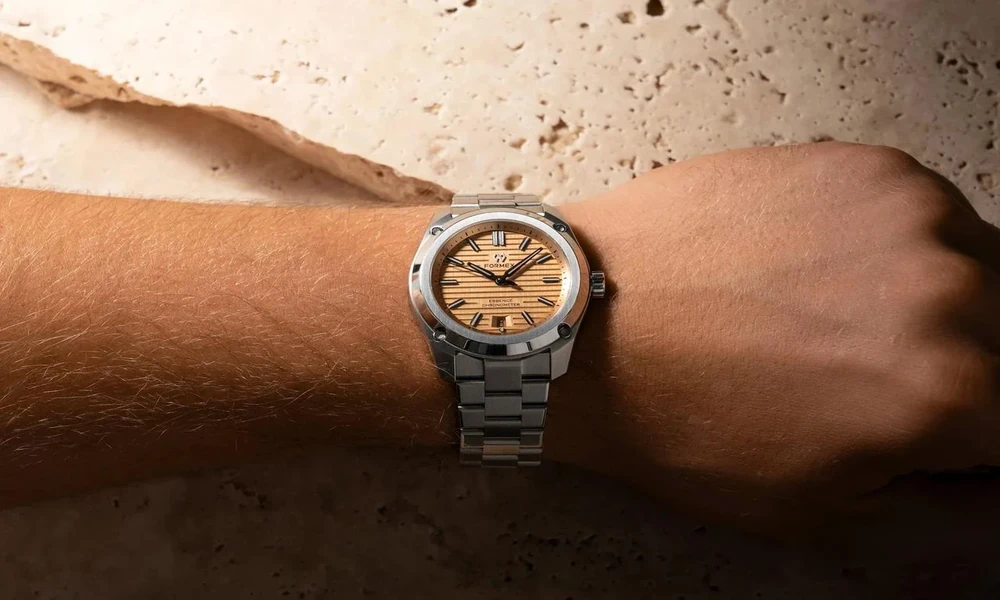
Automatic watches need servicing every 3 to 5 years. Modern movements recommend intervals of 5 to 10 years. The schedule for a watch depends on its movement, age, frequency of use, and manufacturer’s instructions. A mechanical watch enthusiast exploring mechanical timepieces available through reptime us com must maintain accurate timekeeping, smooth operation, and long-term reliability in order to enjoy watching them. It is also through regular maintenance that a watchmaker is able to thoroughly examine the movement’s internal components and maintain it in good working order.
When should service be scheduled?
As automatic movements differ in construction, lubrication, and operating requirements, service intervals vary. Wearing a watch every day may result in different conditions than wearing one occasionally. A manufacturer’s recommended frequency can be a good starting point, while changes in performance can indicate a need for an early inspection.
- Movement specifications – Different automatic calibres have their own servicing requirements. Manufacturer’s guidance helps establish an appropriate maintenance schedule.
- Frequency of wear – Daily use keeps the movement operating regularly, while occasional wear introduces different winding and storage patterns. Service should reflect the watch’s actual condition.
- Environmental exposure – Frequent contact with humidity, dust, and changing temperatures may increase the importance of inspecting seals and exterior components.
- Age of the watch – Older movements may benefit from closer attention to lubrication, component condition, and timekeeping performance.
Considering these factors helps tailor watch service schedules. Keeping a timepiece’s mechanism in good working order is crucial.
What happens during professional servicing?
Professional servicing involves examining the movement and maintaining the components responsible for accurate operation. A qualified watchmaker assesses the watch’s condition, including its timekeeping, winding performance, and available power reserve.
- When examining mechanical components, a watchmaker assesses their condition and identifies any parts that need repair.
- As part of a complete movement service, components are cleaned and lubricants are applied to designated contacts to ensure smooth operation.
- Watchmakers measure movement performance and rate, allowing them to adjust accordingly.
- Moisture resistance of the case is checked through the inspection of gaskets and other sealing components.
- The watch is checked after servicing to ensure that it works properly in terms of winding, timekeeping, and other aspects.
These procedures help preserve watch mechanical condition. A complete service also provides an opportunity to assess components that are difficult to examine during everyday use.
Signs your watch needs attention
Although it is imperative for a watch to be serviced regularly, the performance of a watch can also suggest that a professional inspection is needed. A change in the timekeeping, winding, or power reserve of a watch may indicate that it needs to be serviced.
It may be beneficial for a watch whose timing changes noticeably over a period of time to receive a timing assessment. A movement that does not work after sufficient winding or runs for a short period of time may also need to be inspected. This is if the movement stops despite adequate winding. It is important to determine the condition of the winding mechanism by observing how the crown operates.
Water resistance depends on the condition of the seal on the case, so moisture protection must be given a separate focus. If you regularly expose your watch to water, you may benefit from periodic pressure testing of the watch according to its specifications. The performance of such checks can be accomplished independently of the provision of a complete movement service.